
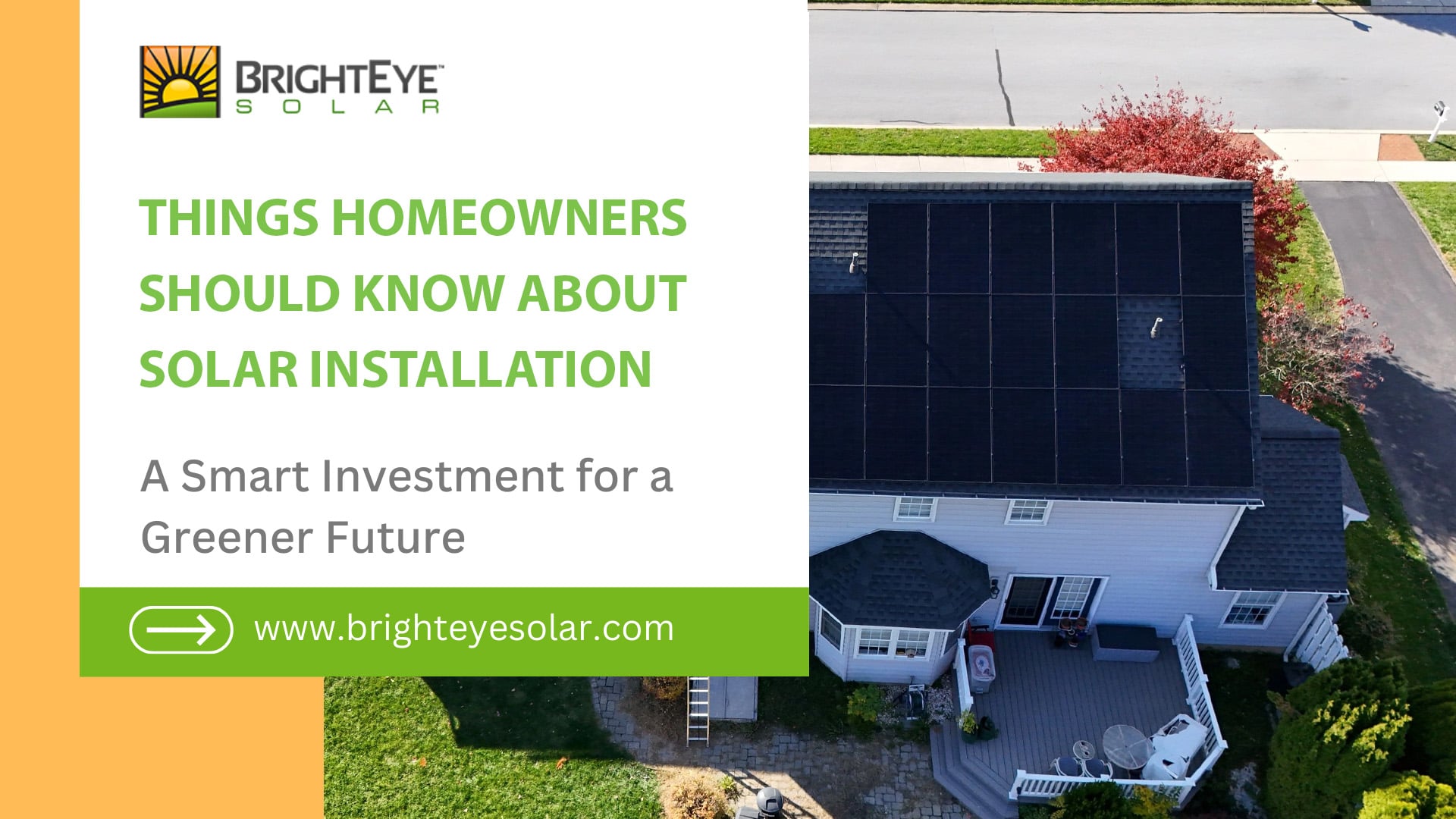
Going solar is a major investment, but understanding the process can make it much easier to make a confident decision. There are a lot of options out there and many factors come into play when potential customers are researching which solar panel installers offer homeowners affordable and efficient systems.
From evaluating your home and electricity usage to comparing equipment, financing, warranties, and installers, homeowners have several important factors to consider before moving forward.
Whether you're looking for affordable solar systems, energy-efficient solar panels, or a reliable way to generate home solar power, knowing what to expect can help you separate a quality solar installation from an offer that may not be right for your home.
Here are some of the most important things homeowners should know about residential solar panel installation.
1. Start With Your Home and Energy Usage
Not every home is equally suited for solar. A reputable installer should evaluate your roof's condition, available roof space, orientation, shading, and electrical system before recommending a system.
Your electricity usage is equally important. Your installer should review your historical utility bills to determine how much energy your household uses and design a system around your specific needs.
Key takeaway: Don't choose a system simply because it has a certain number of panels. The right system is designed around your home and energy consumption.
2. Understand How Solar Panel System Design Works
A solar system is more than just panels on your roof. It typically includes solar modules, inverters, racking, electrical equipment, monitoring technology, and other components that work together to produce and manage electricity.
When comparing solar panel installers, ask how they determine system size and what equipment they recommend. A quality installer should be able to explain why specific equipment is appropriate for your home rather than simply presenting a price.
3. Compare Solar Panels Based on More Than Price
Solar panels have become increasingly efficient, but homeowners shouldn't automatically choose the cheapest panels available.
When evaluating energy-efficient solar panels, consider factors such as:
- Panel efficiency
- Manufacturer reputation
- Product and performance warranties
- Expected degradation over time
- Temperature performance
- Available panel space on your roof
Higher efficiency can be especially valuable when roof space is limited because more electricity can be generated from the available area.
4. "Affordable" Doesn't Always Mean Cheapest
The lowest upfront price isn't necessarily the best value. Homeowners should consider the system's expected energy production, equipment quality, financing costs, warranties, and long-term performance.
When comparing affordable solar systems, look at the overall value rather than just the monthly payment or initial price.
Ask potential installers:
- What is the total system cost?
- How much electricity is the system expected to produce?
- What financing options are available?
- What warranties are included?
- Are permitting and installation included?
- Are there additional fees?
A transparent proposal should make these costs and expectations easy to understand.
5. Know the Difference Between Owning and Financing Your System
Homeowners have multiple ways to pay for solar. Depending on the installer and available programs, options may include purchasing the system outright, financing the purchase, or using a third-party ownership arrangement.
Each option can have different implications for monthly payments, long-term savings, ownership, and selling your home.
Don't be afraid to ask an installer to explain the total financial picture—not just the monthly payment.
6. Ask About Permits and Utility Interconnection
A professional residential solar panel installation involves more than physically installing panels.
Depending on where you live, your project may require building and electrical permits, inspections, utility approval, and an interconnection agreement before your system can operate.
This is one reason choosing an experienced solar installation company can be valuable. Your installer should explain which parts of the permitting and utility process they handle and what you can expect along the way.
7. Installation Quality Matters
Even the best solar equipment won't perform properly if it isn't installed correctly.
Ask potential solar panel installers about their installation experience, training, licensing, insurance, and quality-control processes.
You should also ask who will actually perform the installation. Some companies use their own crews, while others subcontract portions of the work.
8. Understand Your Warranties
Solar systems are designed to operate for decades, so warranties are an important part of the decision.
Your proposal may include different warranties for:
- Solar panels
- Inverters
- Racking
- Workmanship
- System performance
Make sure you understand what each warranty covers, how long it lasts, and who you contact if something goes wrong.
9. Consider Battery Storage—But Don't Assume You Need It
Solar panels can generate electricity during daylight hours, but battery storage can provide additional flexibility by storing energy for later use.
A battery may be worth considering if you want backup power, greater energy independence, or the ability to use more of your solar energy when your panels aren't producing.
However, a battery isn't automatically necessary for every homeowner. Your electricity usage, utility rules, goals, and budget should all factor into the decision.
10. Ask What Happens After Installation
Your relationship with an installer shouldn't necessarily end when the panels are on your roof.
Ask whether the company provides system monitoring, maintenance support, troubleshooting, warranty assistance, and ongoing customer service.
A solar system is a long-term investment. Choosing a company that will still be available to help you years after installation can provide significant peace of mind.
How to Choose the Right Solar Installation Company
When comparing solar installation companies, don't base your decision on price alone. Look for an installer that provides a detailed proposal, explains your equipment and expected production, clearly outlines costs and warranties, and is willing to answer your questions. Choosing a local company with longevity and a good reputation is also an important factor it consider.
A trustworthy installer should make you feel informed—not pressured.
Before signing a contract, compare at least a few proposals and look carefully at the differences in equipment, production estimates, warranties, financing, installation practices, and total costs.
The Bottom Line
Choosing solar doesn't have to be complicated. The key is understanding what you're buying and choosing an installer that is transparent about the process.
A properly designed residential solar panel installation can help homeowners produce their own electricity and potentially reduce their dependence on utility power for decades. By evaluating your home, comparing equipment, understanding your financing options, reviewing warranties, and researching solar panel installers, you can make a more informed decision about whether solar is right for you.
The best solar system isn't necessarily the cheapest one—it's the one that's properly designed for your home, your energy needs, and your long-term goals.